
Blog 5: India – The Rich-Poor Divide Overview
- Kerry Paul
- Jun 15
- 4 min read
Updated: Jun 30
JOURNEY 4 - SERIES 1 - BLOG 5 - A PART OF 8 BLOGS IN SERIES 1 - Reading time: 3 Mins

Two Indias Existing Side by Side
My journey through India was driven by a desire to understand how this remarkable country evolved and what drives it today. Throughout my travels, I encountered a recurring theme that perhaps defines modern India more than any other—the enormous gap between rich and poor.
India is simultaneously one of the world's fastest-growing economies and one of its most unequal societies. It is a country producing billionaires, world-class technology companies, pharmaceutical giants, and global business leaders, yet hundreds of millions of people continue to struggle with poverty.
As I travelled through cities, villages, slums, industrial centres, and agricultural regions, I found myself constantly confronted by two very different versions of India existing side by side.
One India looks confidently toward the future.
The other is still fighting to escape the constraints of the past.
Understanding this contradiction became one of the most important lessons from my visit.
The Scale of Wealth Inequality
The statistics behind India's wealth divide are extraordinary.
The wealthiest 10 percent of Indians control approximately 77 percent of the country's total wealth. Even more striking, a substantial share of newly created wealth continues to flow to a relatively small number of individuals and families.
At the other end of the spectrum, hundreds of millions of Indians survive on incomes that would be unimaginable in developed countries.


The Size of the Divide
Two simple facts underscore the immense disparity in wealth distribution in India:
The top 10% of the population controls 77% of the country’s total national wealth. In 2017, 73% of the wealth generated went to the richest 1%.
Meanwhile, about 60% of India’s 1.4 billion people live on less than $3.10 a day—the World Bank's median poverty line. Shockingly, 21%, or over 250 million people, survive on less than $2 a day.
These figures are not simply economic statistics. They influence access to education, healthcare, housing, sanitation, employment opportunities, and ultimately the ability of future generations to improve their circumstances.
What became apparent to me was that inequality in India is not driven by a single factor. Instead, it reflects the combined effects of history, geography, education, social structures, inheritance, urbanisation, and economic opportunity.
Why Poverty Persists
As I travelled through India, I gained a deeper appreciation of how difficult it can be for many families to escape poverty.
Historical factors such as the caste system continue to influence social mobility. While legal discrimination has been abolished, social and economic barriers remain in many areas.
Access to quality education often varies dramatically depending on where someone is born.
Healthcare services are unevenly distributed.
Employment opportunities tend to be concentrated in larger urban centres.
For many rural families, each generation begins life facing similar obstacles to the generation before it.
The challenge is not simply earning more income. The challenge is gaining access to the tools that create opportunity.


My Journey Across India
To better understand the country, I travelled extensively through both urban and rural India.
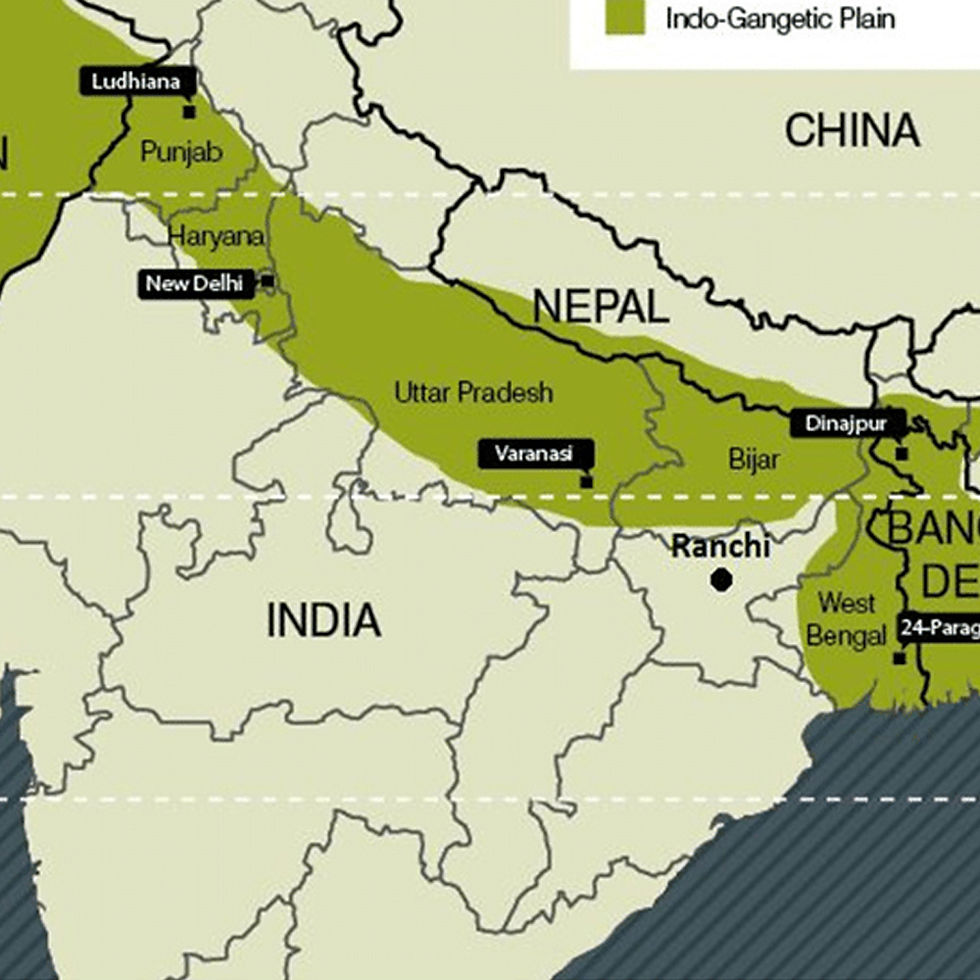
My itinerary included Delhi, Agra, Jaipur, Udaipur, Jodhpur, Varanasi, and Mumbai. I also undertook several lengthy road trips covering more than 2,000 kilometres through rural regions.
These journeys provided a valuable perspective that cannot be gained from visiting major tourist destinations alone.
The contrast between urban prosperity and rural hardship was often striking.
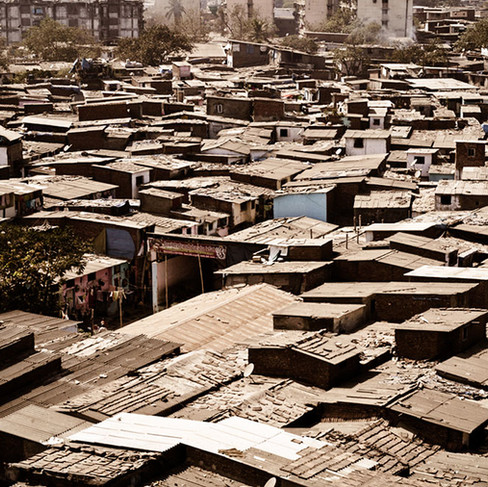
In some areas I encountered modern highways, luxury hotels, shopping centres, and high-rise developments. A short distance away I would find villages with limited infrastructure, modest housing, and few employment opportunities beyond agriculture.
The experience reinforced how unevenly economic development has been distributed across India.



Rural India: The Foundation of the Nation
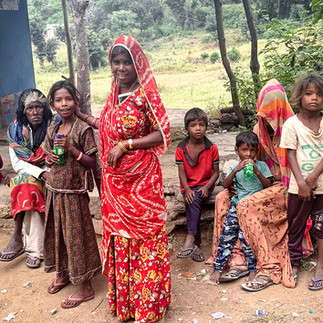
Approximately three-quarters of India's population still has strong connections to rural communities.
Agriculture remains a critical component of the economy and provides livelihoods for millions of families.
What surprised me was the contrast between India's global agricultural importance and the modest incomes earned by many farmers.
India is the world's largest producer of rice, wheat, pulses, spices, and milk. The scale of production is extraordinary and demonstrates another important example of how India has shaped the world.
Yet many farmers continue to operate on small landholdings with limited mechanisation and relatively low productivity.
This combination of global significance and local hardship became a recurring theme throughout my travels.



The Sacred Status of Cattle
One of the most visible examples of India's unique culture is the status of cows.
In Hindu tradition, cows are regarded as sacred and are closely associated with nourishment, prosperity, and religious values.
As I travelled across northern India, I regularly encountered cows wandering freely through villages, cities, marketplaces, and even major highways.
To a visitor from New Zealand, this was one of the most striking cultural differences.
In New Zealand, dairy farming is highly commercialised and unproductive animals are routinely culled. In India, many farmers release older cows once they are no longer productive, allowing them to roam freely.
The result is a landscape where cattle are integrated into daily life in ways that would seem extraordinary to many Western visitors.


India's Dairy Industry: A Different World
India now produces approximately one-quarter of the world's milk supply and possesses the largest dairy herd on the planet.
Yet the industry operates very differently from the highly mechanised systems I know in New Zealand.
Most dairy farmers own only a small number of cows.
Grass is often cut manually and carried to animals rather than animals grazing fenced paddocks.

Milking is commonly performed by hand.
Milk is collected in metal containers and transported through a network of local depots before reaching larger processing facilities.
The entire system reminded me of how New Zealand's dairy industry may have operated a century ago.
Despite its apparent simplicity, the system supports one of the largest dairy industries in the world.
To continue reading Series 1 we invite you to join us:
Comments