
Blog 1: The Forgotten Voyage of Cristóvão de Mendonça

Updated: Jun 30
JOURNEY 2 - SERIES 1 - BLOG 1 - A PART OF 3 BLOGS IN SERIES 1 - Reading time: 4 Mins
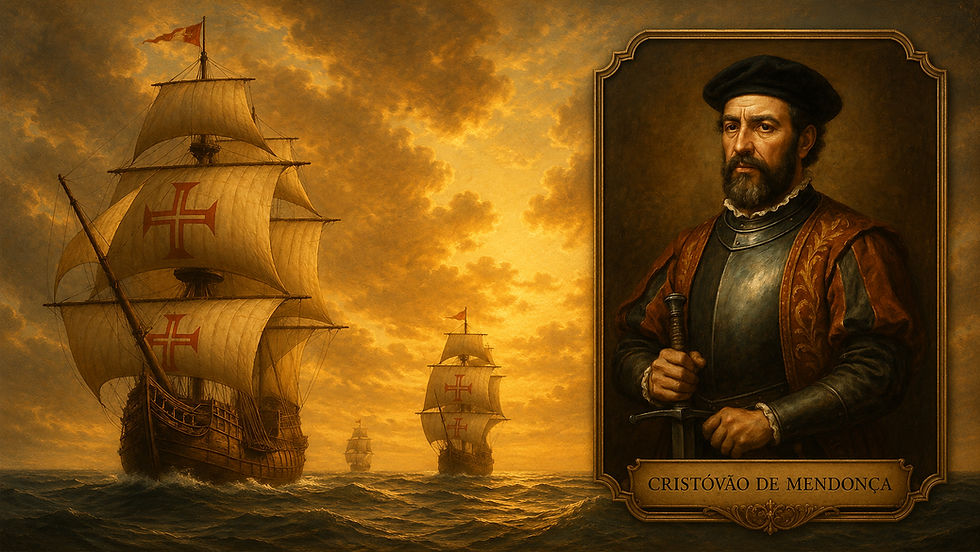
At the heart of this story is the extraordinary journey of Cristóvão de Mendonça, a Portuguese commander who set sail from Malacca in 1522 with four ships, searching for the legendary “Isles of Gold.” His fleet mapped the eastern coast of Australia and much of New Zealand’s North Island, as shown in the stunning Vallard Atlas—a collection of maps that predates Tasman’s arrival by over 100 years. This discussion adds another dimension to New Zealand's origin story: Were the Portuguese in New Zealand first? These findings continue to shape debates surrounding New Zealand's First Settlers. The evidence also contributes to broader discussions about New Zealand Early European Explorers.
In 1519, King Manuel I (Portuguese King) sent 14 ships to India with one commander Cristóvão de Mendonça (English: Christopher, pronounced Men-dos-a) having orders to discover the Isles of Gold (“Golden Land”). This belief was derived from the legendary Suvarnadvipa and Suvarnabhumi both terms meaning “Golden Land” in ancient Indian Sanskrit literature believed to be “beyond Sumatra”.

Portugal (like India before it) had two commercial aims: control of the East’s spice trade and the acquisition of gold. Gold was important for the manufacture of coinage and if there was a shortage it could restrict business. By the early 1500’s the supply of gold from Africa was in decline. New sources had to be found.
The Portuguese dominated the sixteenth-century spice and gold trades by building a far-reaching maritime network that stretched from Africa to India and Southeast Asia.

Their success rested on key navigational breakthroughs: Bartolomeu Dias rounded the Cape of Good Hope in 1488, proving that the Atlantic and Indian Oceans were connected, and Vasco da Gama’s voyage to India in 1497–1499 opened a direct sea route that allowed Portugal to bypass traditional overland and Mediterranean trade intermediaries. From fortified ports such as Goa and Malacca, the Portuguese Crown sought to control lucrative flows of pepper, cloves, cinnamon, and precious metals.
In 1522, Portuguese commander Cristóvão de Mendonça sailed from Malacca with four ships to explore unknown lands beyond Southeast Asia. In time he was to explore both the eastern Australia coastline and New Zealand’s North Island.
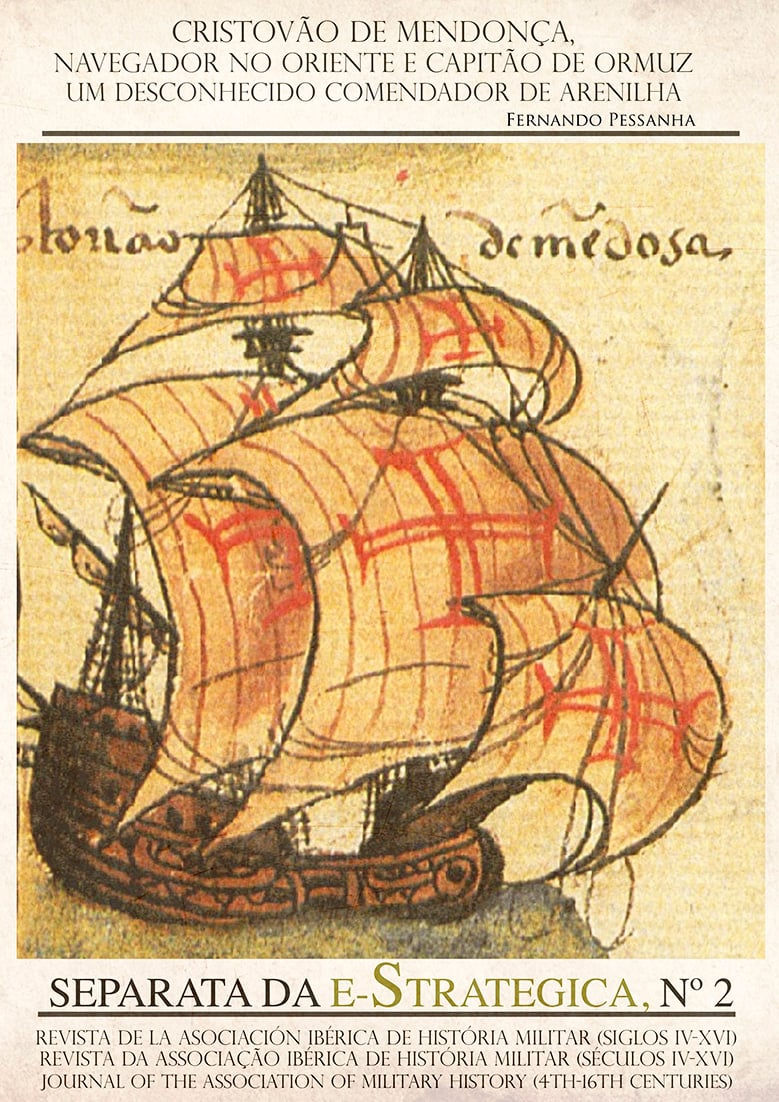
Mendonca sailed a 3 masted carrack (1000-2000 tonnes). By comparison, it could sail at twice the speed of Cook’s 368 tonnes Endeavour 250 years later.
Second ship a caravel, third a bargantim or brigantine, the fourth, a parau – Malay sailing vessel (Captain Goncalo Homem)- this ship was designed for close inshore exploration.
Of all Portugal’s innovations in maritime technology in the fifteenth century, arguably the most outstanding was the spectacular advance made in ship design and construction. The caravel, an ocean-going ship of capacity 8 to 10 tonnes was strong, fast and highly manoeuvrable and able to ride out the heaviest of seas. A second ship, a carrack of 400-500 tonnes was designed with much greater carrying capacity and capable of long ocean voyages. By the late 1500’s Portugal was building carracks capable of carrying 1000 to 2000 tonnes.
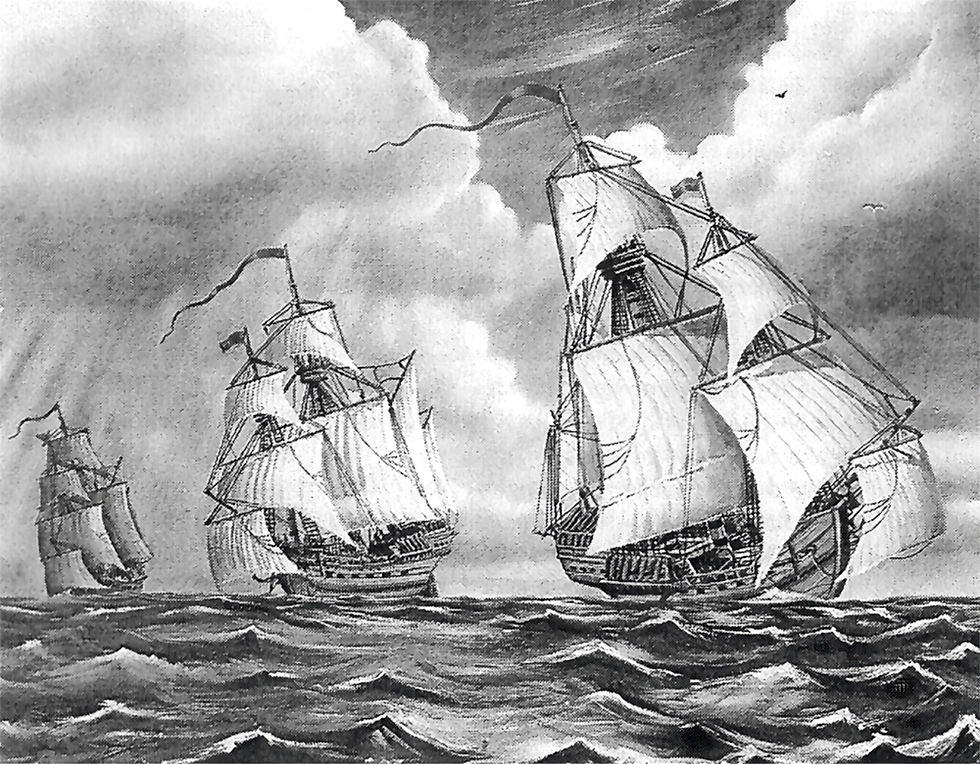
Mendonca's initial mission involved exploring the eastern coastline of Australia as part of a wider Portuguese effort to locate the fabled “Golden Lands” believed to lie somewhere beyond Southeast Asia. As the fleet moved along unfamiliar shores, it gathered coastal knowledge later reflected in secret Portuguese cartography, including the maps that some researchers believe resemble parts of eastern Australia and New Zealand.
After completing the journey down the eastern coast of Australia, Mendonca encountered severe storms along the southern coast of Victoria. Unable to find safe shelter on the southeastern Australian coast, his ship, built to run before the wind and seas, headed east across the Tasman Sea.
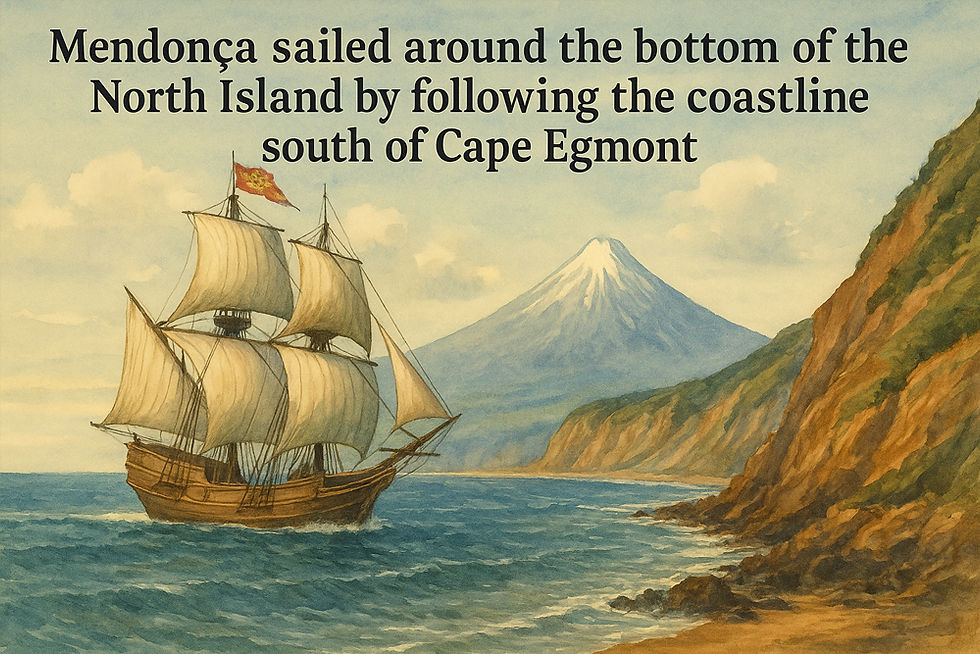
Mendonca may have discovered the North Island by accident while trying to escape the violent storms moving north up the Victorian coast from the Bass Strait. Mendonca first sighted Mt Taranaki from the west before sailing south around Cape Egmont and through Cook Strait into Wellington Harbour.
The voyage then continued north along the eastern coastline, with the maps depicting identifiable features including Hawke Bay, Mahia Peninsula, East Cape, Bay of Plenty, Great Barrier Island, and the Auckland isthmus.
After clearing Great Barrier Island, Mendonca’s priority was to set course for the Portuguese base in Malacca, Malaysia. By then, it would be around one year since he left Malacca, likely early autumn in the South Pacific. He would be sailing at the right time to take advantage of the strengthening southeast trade winds to return to Malacca and then India. Mendonca needed to reach Goa, the major Portuguese naval base for the Far East, by September 1523 to avoid the contrary winds of the winter monsoon. Assuming he left New Zealand in March 1523, six months should have been enough time to cover the distance.
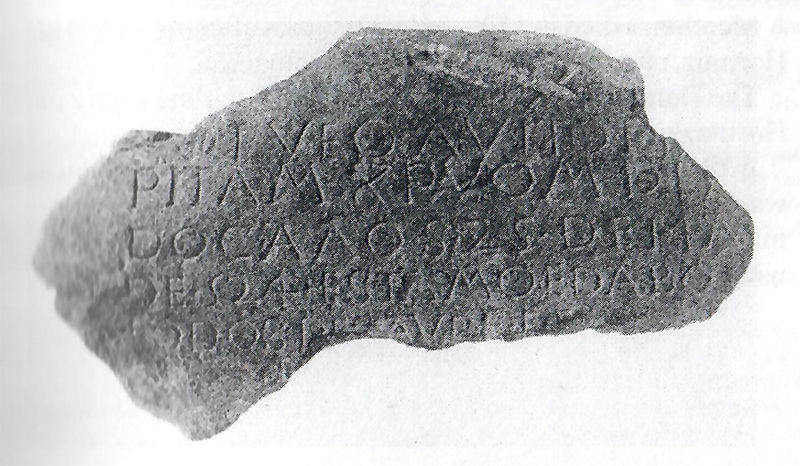
In January 1990, a gardener in Cape Town’s Table Bay unearthed a flat stone inscribed in Portuguese, translated to English:
“The Vitoria, Captain Cristovao de Mendonca, arrived here on the 26th Ma (March or May) 1524. A coin is buried here. All well. God be praised.”
During this period, it was common for ship captains to write ‘postal stones’ as they rounded the Cape to register their movements. Portuguese records show Mendonca took over the Vitoria in Goa to sail back to Lisbon.
Mendonca reached Lisbon, where he was rewarded for his services with a lucrative overseas posting by King John III. He became the commander of the fort and city of Hormuz, at the entrance of the Persian Gulf, allowing him to earn significant private wealth.
Mendonca died from disease in 1532.
To continue reading Series 1 we invite you to join us:
Comments