

BLOG 5B: What are the key similarities between Waipoua Stone Site and Angkor Wat?
- Kerry Paul

- Mar 14
- 3 min read
Updated: Mar 23

What are the similarities that link New Zealand’s First Settlers to Southeast Asia?
Both Waipoua Stone and Angkor Wat sites showcase advanced stone construction, with large-scale monuments and evidence of skilled craftsmanship. The use of stone for both ceremonial and residential purposes is a hallmark of ancient societies at both locations. The Waipoua Forest contains hundreds of purpose-built stone structures, including stacked stone walls, cairns (possibly ancient dwellings), and boundary boulders. These structures are mapped and registered by archaeologists, and some show evidence of advanced stone-working techniques, such as incised boulders and adze marks. Angkor Wat is the largest religious monument in the world, built primarily from sandstone blocks. The temple complex features monumental architecture, including towers, galleries, and extensive bas-reliefs. The construction involved precise stone-cutting and interlocking techniques, with many structures surviving for centuries without mortar.


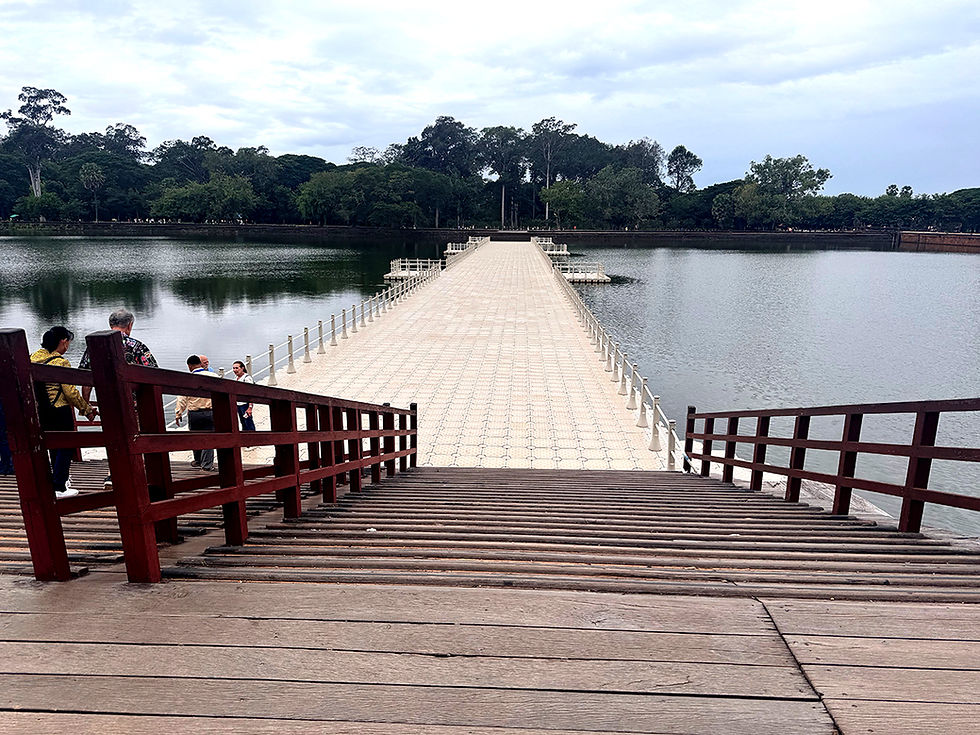
Both sites demonstrate intentional planning in the arrangement of structures and the use of landscape features, though Angkor’s water management is more extensively documented. The Waipoua site includes circuits of boundary boulders, sectioned areas, and evidence of planned layouts. While less is known about water management, the presence of boundary markers and cairns suggests a degree of urban planning. Angkor Wat and the greater Angkor region are renowned for their sophisticated urban planning, including straight-line city layouts, monumental temple complexes, and vast water management systems (reservoirs, canals, moats). These features reflect a deep understanding of landscape engineering and cosmological alignment.
Both sites are believed to have served important ritual or ceremonial functions, with symbolic architecture and possible astronomical or cosmological alignments. The Waipoua cairns and stone heaps may have served as dwellings or ritual sites. Some boulders are incised with marks that could be pictographs, suggesting symbolic or ceremonial use. The site’s restricted access and archaeological sensitivity point to its cultural importance. Angkor Wat was constructed as a Hindu temple and later became a Buddhist site. The temple’s orientation and astronomical alignments further emphasize its ritual significance.
Both sites are deeply integrated with their surrounding landscapes, with nature reclaiming ancient structures over time. Many Waipoua structures are now overgrown by forest, with stone walls and cairns blending into the natural environment. The site’s preservation is challenged by forest regrowth and human activity. Angkor Wat is surrounded by jungle, and some temples (like Ta Prohm) are famously intertwined with massive tree roots. The builders incorporated the natural landscape into the temple’s design, using moats and reservoirs to reflect the cosmic ocean.

Both sites are shrouded in mystery, with ongoing debates about their origins, purposes, and the full extent of their historical significance. Archaeological data from Waipoua is considered sensitive and restricted from public view, adding an element of mystery and less opportunity for ongoing research. While Angkor Wat is widely studied and accessible, its origins, construction techniques, and symbolic meanings continue to intrigue researchers and visitors.
Angkor Wat is an outstanding example of stone architecture and construction. Many far lesser monuments exist in the Angkor Archaeological Park which maybe a better fit as a comparison with Waipoua.
Angkor Wat stands as a remarkable testament to ancient stone architecture and construction, showcasing monumental scale, intricate craftsmanship, and profound symbolic meaning. While Angkor Wat itself is the largest and most celebrated temple within the Angkor Archaeological Park, the region contains numerous smaller monuments and structures that may offer more direct parallels to the Waipoua stonework site in New Zealand. The main message is that both Waipoua and Angkor Wat exemplify advanced stone construction techniques, intentional landscape integration, and ceremonial or ritual significance.
These similarities suggest that the skills and cultural practices present in Southeast Asia could have influenced the first settlers of New Zealand, as evidenced by architectural, genetic, and linguistic connections between the two regions. By comparing Waipoua’s unique stone structures with the diverse monuments of Angkor, we gain deeper insight into the shared heritage and maritime capabilities that enabled long-distance migration and cultural exchange across the Pacific.
Have you been to Angkor Wat? What are your thoughts about the linkages discussed here with the Waipoua site? Let us know in the comments or send me an email. Read the next blog in the series: BLOG 6: What are the connections between Weka Pass Rock Art and that of Pha Taem National Park in Thailand?


Comments