

BLOG 2: Should New Zealand’s history of human settlement be viewed as an evolving field rather than a closed story?
- Kerry Paul

- 16 hours ago
- 2 min read

Much of New Zealand’s early history has been framed around a small number of well‑established archaeological anchors. Over time, those anchors have hardened into assumptions: that settlement began at a clearly defined moment, that earlier human activity would necessarily leave unmistakable traces, and that the absence of early dates equates to the absence of people. These assumptions are rarely stated outright, but they quietly shape how evidence is interpreted—and just as importantly, how it is set aside when discussing New Zealand's origin story.
Questioning them does not weaken archaeology; it does exactly what archaeology is meant to do. Long‑standing models regarding Polynesian Migration to New Zealand are provisional by nature, built from the best evidence available at the time. When new data emerges, or when existing evidence refuses to sit comfortably within accepted frameworks, those models must be tested again. The history of archaeology shows that progress often comes not from spectacular new discoveries, but from recognising that familiar sites may be telling a more complex story than previously allowed, perhaps even involving Southeast Asian Migration to New Zealand.
Landscapes such as Waipoua are uncomfortable precisely because they resist tidy timelines. They force a reconsideration of how early activity might appear in the archaeological record, how long it takes for populations to leave clear evidence, and whether some forms of land use are systematically under‑recognised or under‑dated.
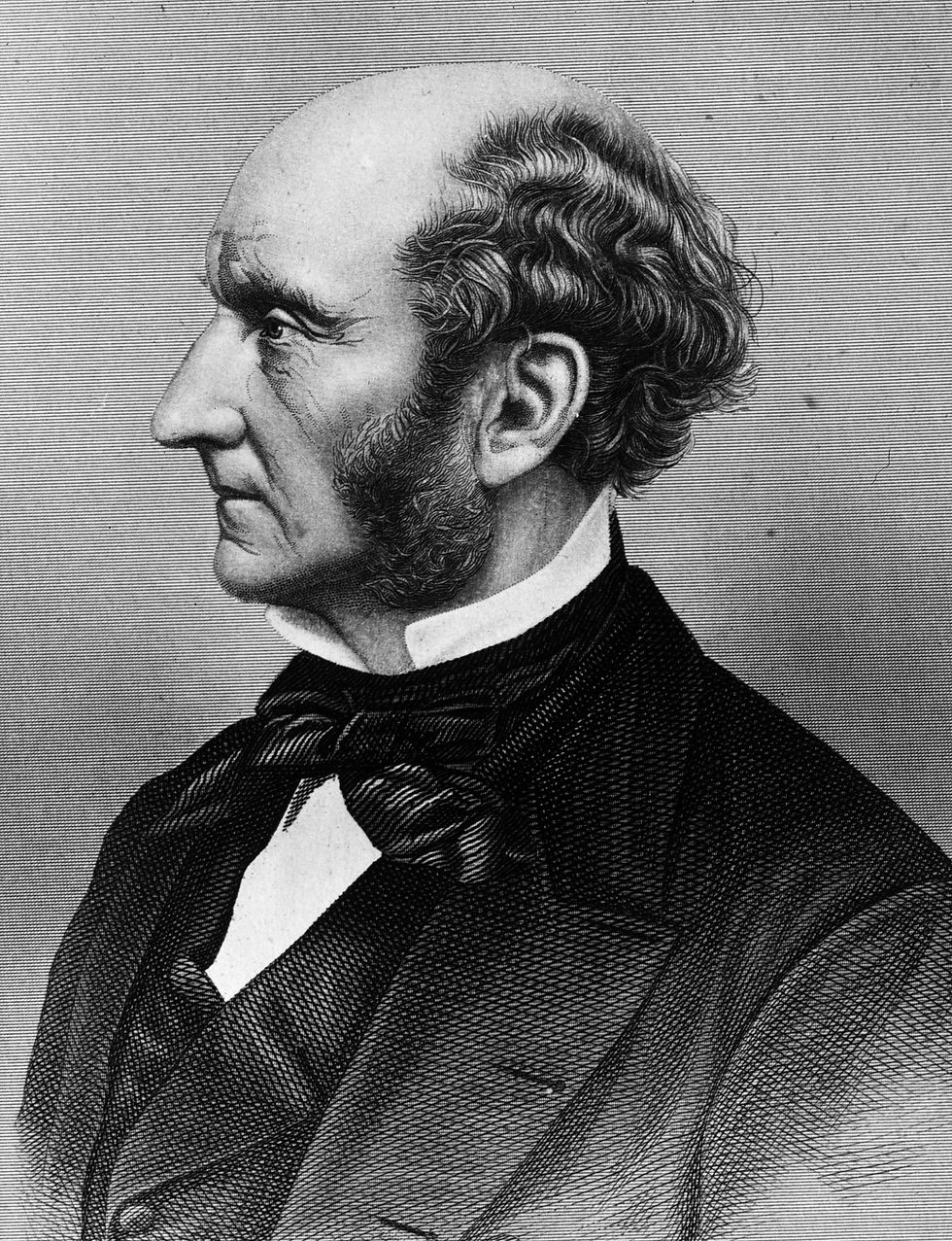
Keeping an open mind in this context is not an invitation to speculation; it is a commitment to evidence. It acknowledges that confidence should always remain proportional to what is known, and that absence of proof is not proof of absence. As John Stuart Mill observed, “No way of thinking or doing, however ancient, can be trusted without proof.” In the case of New Zealand’s first settlers, that principle reminds us that the story may not begin at a single date, or in a single way—and that some of its earliest chapters may only come into focus when we are prepared to look again at what we thought we already understood.


Comments